
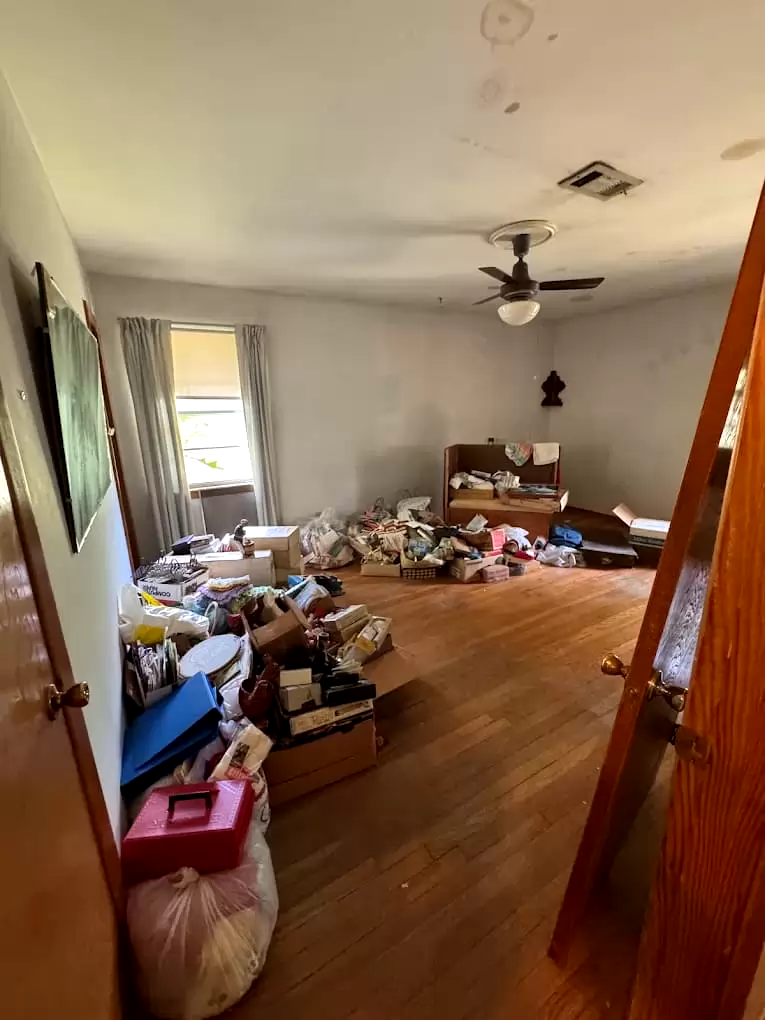
Prepare by labeling what stays and what goes room by room, protecting valuables and documents, listing the exact items, and telling the crew about access, stairs, parking, and pets. Indoor access and final scope approval require coordination with the crew — never assume unattended pickup. Discuss any unusual materials before the appointment.
Label Keep vs. Remove, Room by Room
The most common pickup problem is ambiguity: the crew is not sure what stays and what goes. Solve it before they arrive by going room by room and marking what should be removed.
Use sticky notes, tape, or a simple list. Anything you want gone should be clearly identified, and anything you want to keep should be set apart or labeled so it is not mistaken for junk.
This is especially important in a cluttered room where everything can look like debris. A few minutes of labeling prevents the wrong item from leaving with the load.
Your Pickup Preparation Checklist
- Label what stays and what goes, room by room.
- Set aside valuables, documents, jewelry, electronics, and medication — move them out of the work area.
- Write a list of the exact items to remove, including locations.
- Note anything that needs disassembly or special handling.
- Describe access: stairs, elevator, gate codes, parking distance.
- Make a plan for pets — secure them or ask the crew to keep doors closed.
- Tell the crew about unusual materials (tires, paint, batteries, electronics, appliances).
- Confirm whether you will be on site and how access will be handled.
Protect Valuables and Documents
Before pickup, set aside anything valuable or important: documents with personal information, jewelry, electronics, medication, and sentimental items. Move them out of the work area entirely.
It is easy for a small valuable to be swept up with a pile of clutter. Removing them from the space removes that risk.
If something cannot be moved, point it out to the crew specifically and ask them to leave it. Clear communication about valuables is part of a smooth pickup.
List the Exact Items for the Crew
A written list of what you want removed keeps everyone on the same page. Hand it to the crew or walk them through it when they arrive. It becomes the agreed scope for the pickup.
Include anything that needs disassembly or special handling, and note where each item is located. The more specific the list, the more accurate the quote and the smoother the loading.
If you add or remove items from the plan, update the list. Changes to scope should be discussed, not assumed.
Discuss Access, Stairs, Parking, and Pets
Tell the crew about the path to the items. Are they on a second floor? Is there a gate code? Is parking tight or far from the door? These details affect the job and should be known before arrival.
Pets are an access detail too. If a dog will be upset by strangers, or a cat might slip out an open door, let the crew know and make a plan — secure the pet or tell the crew to keep doors closed.
Any of these can change the work. Sharing them up front means the quote and the pickup both reflect reality.
Do I Need to Be Home? Coordinate — Do Not Assume
Whether you need to be present depends on the job. Indoor access requires someone to let the crew in, and final scope approval usually needs a person on site to confirm what goes and what stays.
An outside pickup — items already at the curb — can sometimes be done without you there, but only if the crew agrees to that arrangement in advance. Never assume unattended collection; coordinate it directly.
If you cannot be home, talk to the crew about how to handle access and approval. Some jobs can be arranged; others genuinely need you there. That is a conversation, not a default.
Tell the Crew About Unusual or Special Materials
If anything in the load is unusual — tires, paint, batteries, a refrigerator, electronics, or anything you suspect needs special disposal — tell the crew before the appointment.
Some materials need a separate disposal route or are not accepted at all. Knowing in advance lets the crew confirm what they can take and plan for what they cannot, rather than discovering it mid-load.
This is also the moment to ask questions. A crew that knows your materials can give you a straight answer about what is included in the job.
Don't Move Heavy Items Yourself or Block the Curb
If you hired a hauling service, let them do the lifting. Moving heavy furniture or appliances yourself risks injury and is the work you are paying the crew to handle.
Avoid dragging heavy items across floors, which can damage both the item and your home. Point to what goes and let the crew manage the carry.
Also avoid blocking the curb or street with items before the crew arrives. Piling things at the curb can create a hazard or a code issue; keep the load where it is until pickup is coordinated.
Questions to Ask When You Schedule
- What exactly does the quote include — loading, hauling, and disposal?
- Do I need to be present for the pickup?
- How long should the pickup take?
- What happens if the load is larger or heavier than described?
- Are there materials you do not take, and how are they handled?
- How is disposal documented?
Frequently Asked Questions
Do I have to be home for junk removal pickup?
It depends on the job. Indoor access requires someone to let the crew in, and final scope approval usually needs a person on site. An outside pickup can sometimes be done without you, but only if the crew agrees in advance — never assume unattended collection.
Should I move heavy items to the curb before the crew arrives?
No. If you hired a hauling service, let the crew do the lifting to avoid injury and floor damage. Point to what goes and let them manage the carry. Blocking the curb in advance can also create a hazard or code issue.
What should I tell the crew before the appointment?
Share the exact items, where they are located, access details like stairs or parking, any pets, and any unusual or special materials such as tires, paint, batteries, or electronics. Knowing in advance lets the crew confirm what they can take.
How do I make sure the right items get taken?
Label what stays and what goes room by room, protect valuables and documents, and hand the crew a written list. Clear labeling and a specific list prevent the wrong item from leaving with the load.
Related Services
Ready to Get a Free Estimate?
Request a quote or call us to discuss your load. We will review what you have and give you an upfront price before any work begins.
Keep Reading
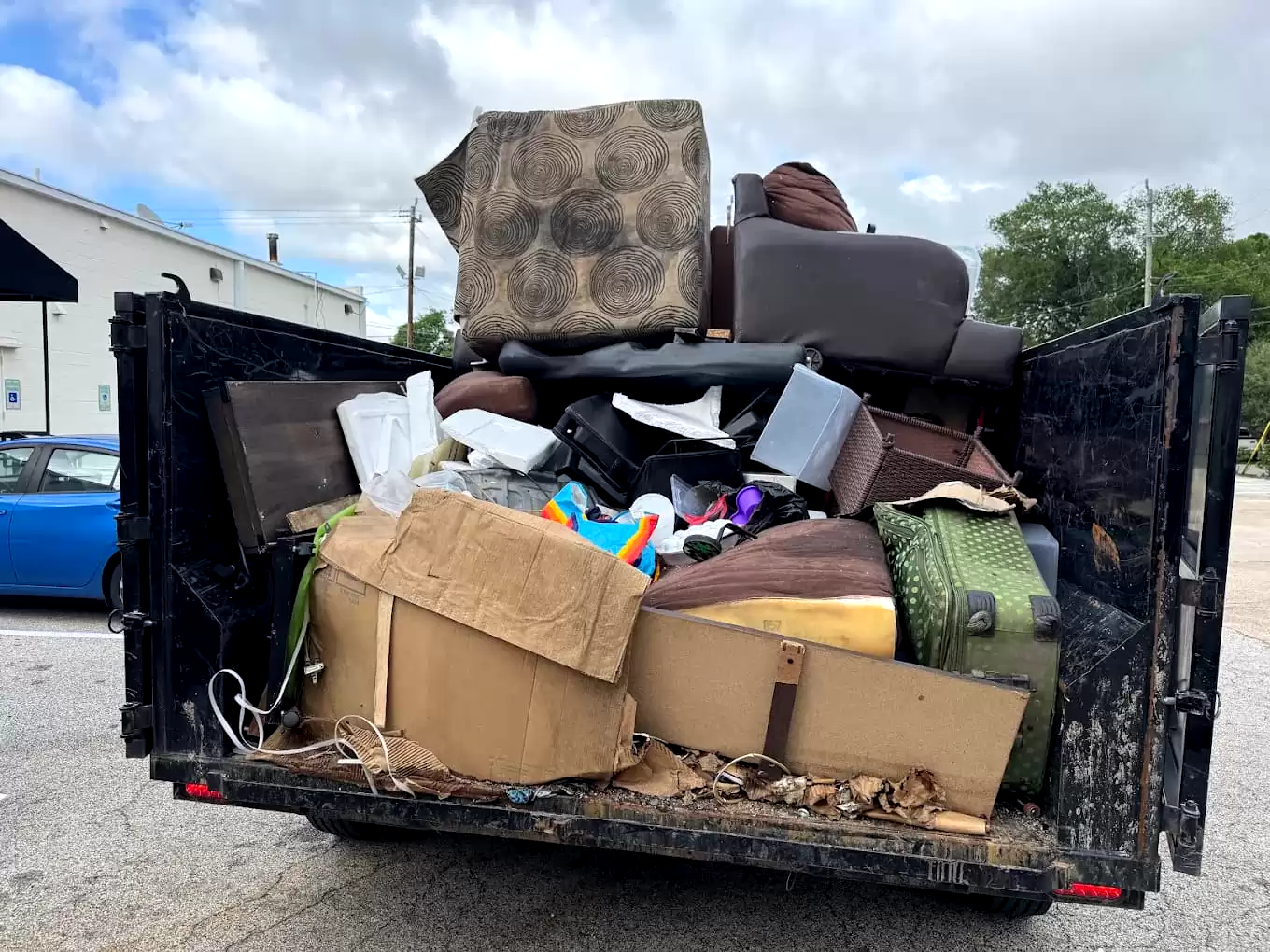
How Much Does Junk Removal Cost in Houston?
Houston junk removal cost depends on volume, material and weight, labor and access, and scope — not a flat per-item rate. Here is how to compare written quotes and request an upfront price.
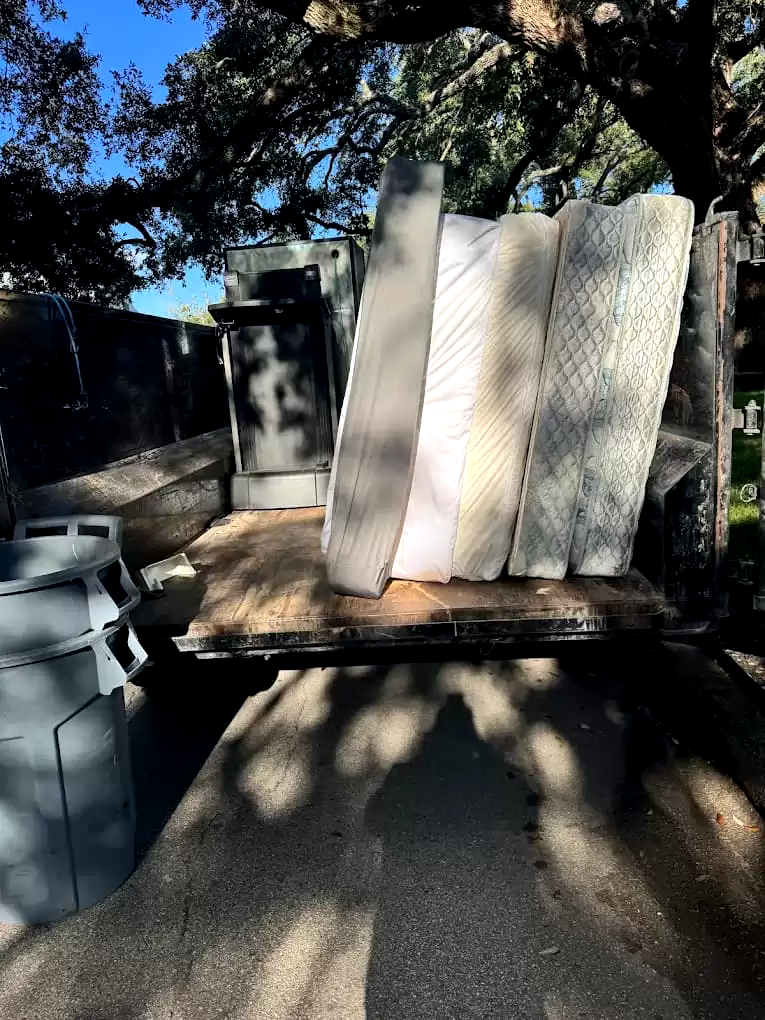
How Do I Get Rid of an Old Mattress or TV in Houston?
Compare mattress and TV disposal options, learn what to verify before drop-off, and plan professional pickup for bulky items.