

Junk removal in Houston is priced project by project based on the volume of the load, the material and weight, the labor and access involved, and the overall scope. An item count alone may not capture access, material, or scope, so there is no reliable per-item rate. The clearest next step is to request an upfront quote that reflects your actual load.
What Actually Determines the Price?
A junk removal quote is built from a few real factors, not a flat rate for a fixed number of items. Volume is the starting point: how much of the truck or trailer your load fills. A single couch and a packed garage occupy very different amounts of space, so they are not quoted the same way.
Material and weight matter next. Light household furniture and dense construction debris can fill a similar footprint while weighing very different amounts. Heavier loads take more capacity to haul and dispose of, which is reflected in the price.
Labor and access are the third factor. Items on the ground floor near a driveway are quicker to load than pieces carried down stairs, through a long hallway, or around tight gates. The more effort and time the loading takes, the more it factors into the quote.
Finally, scope covers anything beyond a straightforward pickup: disassembly, separating materials, or clearing multiple rooms. Each of these changes the work involved, so it changes the quote.
Furniture vs. Dense Debris — Why the Same Pile Size Costs Differently
Two loads that look similar from across the room can price very differently. A stack of old furniture and boxes is mostly air and lightweight framing. A pile of broken drywall, flooring, or concrete is dense and heavy for the space it takes up.
Because disposal facilities often charge by weight, dense debris costs more to get rid of per unit of volume. That is why a clear description of the material — not just the size of the pile — leads to an accurate quote.
If your cleanup mixes both, say so. A garage with furniture plus a stack of remodeling scraps is a mixed load, and identifying each part helps the crew quote the whole job honestly.
Why Stairs, Parking, and Long Carries Matter
Access is one of the biggest hidden cost drivers. A second-floor apartment with no elevator means every piece goes up or down stairs. A home with a long carry from the back door to the truck adds time to every trip.
Parking matters too. If the truck cannot park close to the entrance, the crew carries each item farther. Narrow gates, tight turns, or a steep yard path all add steps to the loading.
None of this is a penalty — it simply reflects the labor involved. When you describe the path the crew will take, the quote accounts for it up front instead of surprising you later.
Disassembly and Scope — What Counts as Part of the Job
Some items are not ready to load as-is. A bed frame, a sectional sofa, or a built-in desk may need to be taken apart before it can go out the door. Disassembly is real work and is part of the scope when it is needed.
Scope also includes how many areas you want cleared. One room, a whole house, or a garage plus a yard are different jobs. Being specific about what stays and what goes keeps the quote aligned with what you actually want done.
The best move is to list the exact items and point out anything that needs to come apart. That detail is what turns a rough estimate into a real quote.
How to Compare Like-for-Like Written Quotes
If you are comparing more than one quote, make sure you are comparing the same job. A lower number can mean less is included — fewer items, no hauling, no disposal, or a narrower scope.
Ask for the quote in writing and confirm what it covers: which items, whether loading and hauling are included, whether disposal fees are part of the price, and what happens if the load is larger than described.
A clear written quote protects you. It lets you see exactly what you are paying for and avoids surprises on pickup day.
What to Ask About Hauling and Disposal
Hauling and disposal are not always automatic. Confirm that the quoted price includes loading the items, transporting them, and disposing of them properly. Some quotes cover only part of that chain.
It is fair to ask where material goes and how disposal is documented. Responsible hauling means items are taken to an appropriate facility rather than dumped illegally, and a crew that can explain its disposal process is a good sign.
Finally, ask what is not included. Tires, paint, batteries, and certain electronics may need a separate disposal route, and the crew should tell you up front if something falls outside the job.
How Do Different Cleanup Projects Compare?
Consider a few common situations. A small apartment cleanout with a couch, a table, and a few boxes is a light load with straightforward access — a smaller share of the truck and minimal labor.
A two-car garage packed floor to ceiling is a large volume job. Even if the items are light, the sheer amount of space and the time to sort and load it all drive the quote.
A remodeling cleanup with drywall and flooring scraps is a dense, heavy load. It may not look huge, but the weight and the disposal route make it a different job than household clutter.
In every case, the price follows the real work — volume, weight, access, and scope — not a single number pulled from a price sheet.
Why an Item Count Alone May Not Capture the Job
It is tempting to ask for a price per item: how much for a couch, how much for a fridge. But ten couches in ten different homes can mean ten different jobs. One is on the curb; another is up two flights with no parking.
An item count alone may not capture access, material, or scope. That is why an honest quote starts with the actual load and the actual conditions, not a count.
The fastest way to a real number is to share what you have and where it is. From there, the crew can give you a quote that reflects your job, not a guess.
Frequently Asked Questions
Can I get a flat price over the phone from an item count?
An item count alone may not capture volume, weight, access, or scope, so it may not produce a reliable flat price. Sharing what you have and where it is lets the crew give you an upfront quote that reflects the actual job.
Does dense debris cost more than furniture for the same size pile?
Often yes. Dense material like drywall or concrete weighs more per unit of space, and disposal facilities frequently charge by weight. That is why identifying the material — not just the pile size — matters for an accurate quote.
Are stairs and long carries included in the quote?
Access affects the labor involved, so it is factored into the quote. Describe the path the crew will take — stairs, gates, parking distance — so the price accounts for it up front rather than changing later.
What should a written quote include?
It should list the items, confirm that loading, hauling, and disposal are included, and note anything outside the scope. A written quote lets you compare like-for-like and avoid surprises on pickup day.
Ready to Get a Free Estimate?
Request a quote or call us to discuss your load. We will review what you have and give you an upfront price before any work begins.
Keep Reading
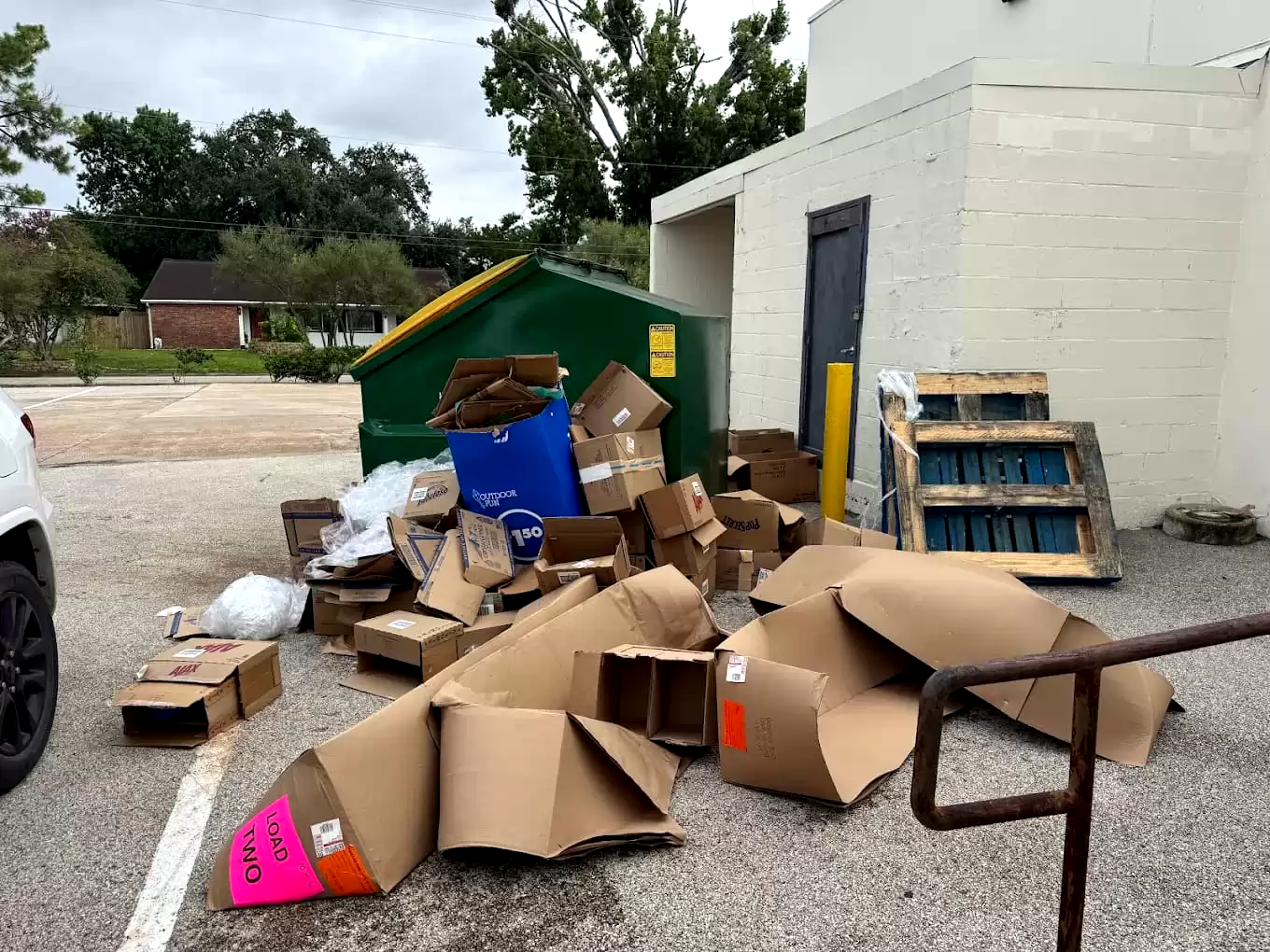
Junk Removal or Dumpster Rental: Which Fits Your Houston Cleanup?
Full-service junk removal loads and hauls your items, typically in one scheduled pickup; a dumpster rental leaves a container for you to fill. Compare by who loads, timeline, and access — not sticker price.
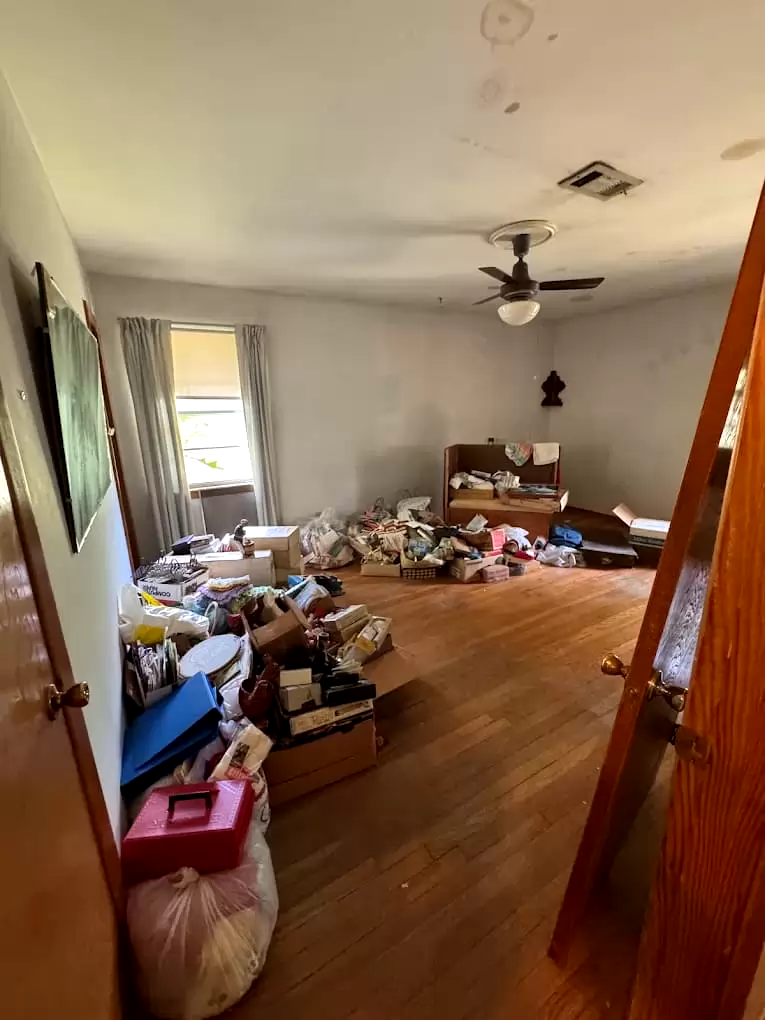
How Should I Prepare for Junk Removal, and Do I Need to Be Home?
Prepare for junk removal by labeling keep vs. remove, protecting valuables, listing items, and coordinating access with the crew. Indoor access and final scope approval require coordination — never assume unattended pickup.